

Demulsifying At Sea 2: Handling Oil Cargo Residual Waste On Tankers
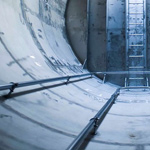 In our first post in this 2-part series on demulsifying at sea, we looked at the challenges involved in dealing with some of the most common ship slop oils and wastewater – oily bilge water and sludge. These are commonly found on virtually every type of seagoing vessel, but oil cargo vessels face their own challenges.
 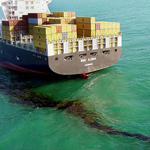 The maritime industry is one of the essential elements in the global transportation sector. But like all transport and shipping-related industries, it has environmental responsibilities. As a result, the proper treatment of onboard waste, including oily bilge water and sludge (or ship slop oil), is a vital area of concern.
  With impact on the environment such a key concern for business today, it’s not surprising that the waterless car wash has been embraced so readily. Owning a car wash that has such a low environmental impact offers very positive marketing and commercial advantages. But those factors alone cannot ensure success.
 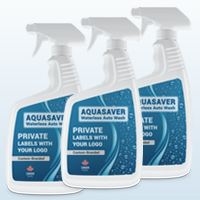 The traditional way of washing a vehicle is basically straight forward. Simply mix some detergent with water, apply it generously to lift dirt and grit then rinse it all away. But with water consumption now a hot environmental topic, being able to wash a car without using water is an obvious positive development. And the rise of the waterless car wash illustrates that fact.
 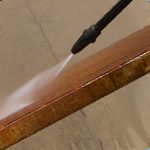 It might seem that simply cleaning metal surfaces thoroughly should be enough to ensure good powder coating results. But while it is true that the process demands a clean surface at least, by applying a proper metal pre-treatment process the results will be at their maximum.
 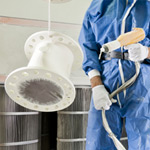 For many industries, lengthening the lifespan of essential machinery is a critical concern. Logically, powder coating is a time and cost-effective way of doing so. Of course, this process has to be done right to be worthwhile, which is why a phosphate pre-treatment process is considered a key element of any preservation policy.